

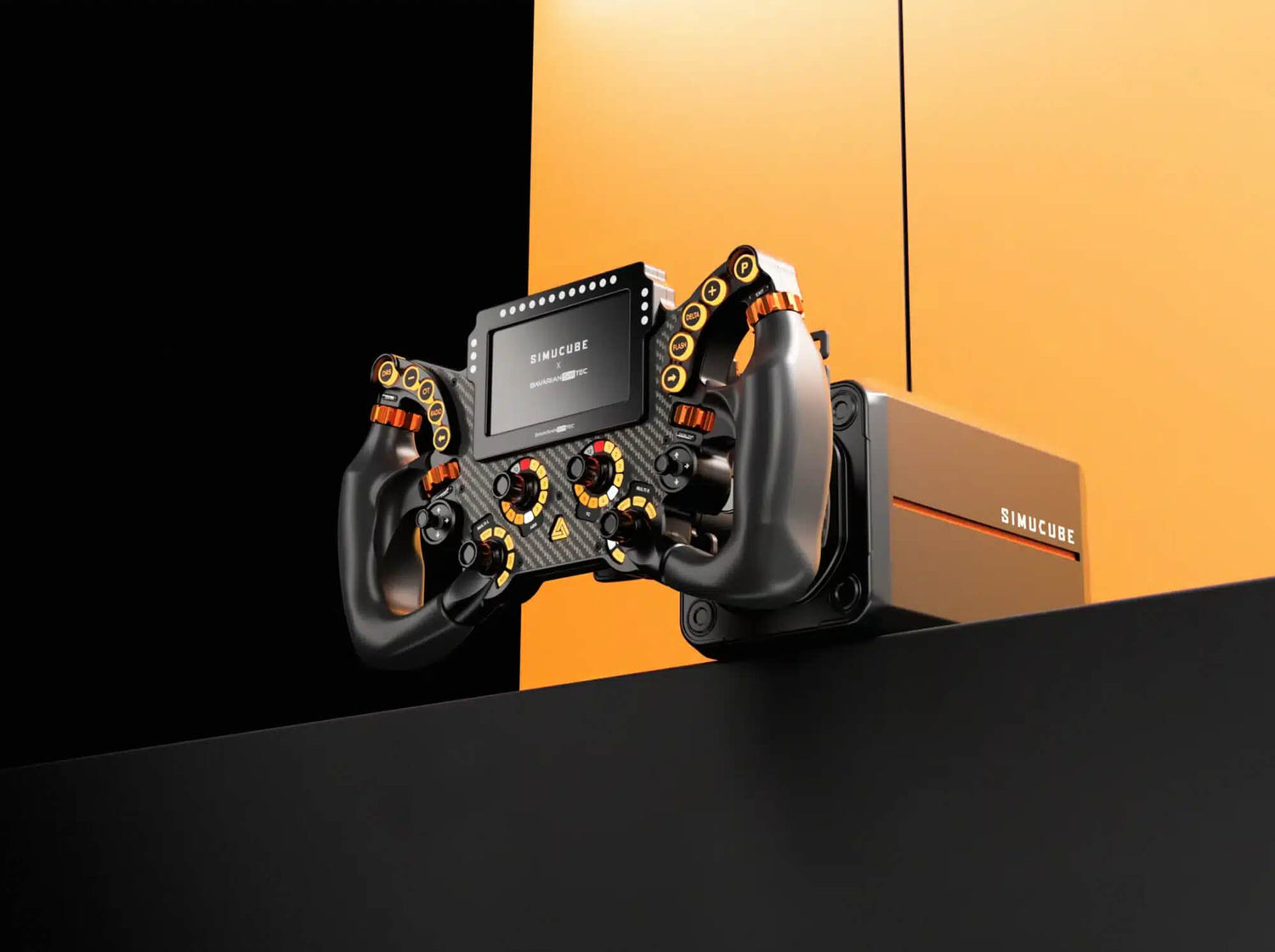
The Foundation: Choosing a Wheelbase and Wheel
The wheelbase is the engine of your simulator. In 2026, Direct Drive (DD) technology is the only serious choice for beginners looking to stay competitive. Unlike older belt driven systems, DD bases connect the steering wheel directly to the motor shaft, providing instant, high fidelity feedback.
- Popular Brands: Simucube, Simagic, Fanatec, Moza Racing, and Asetek SimSports offer excellent entry level DD bases.
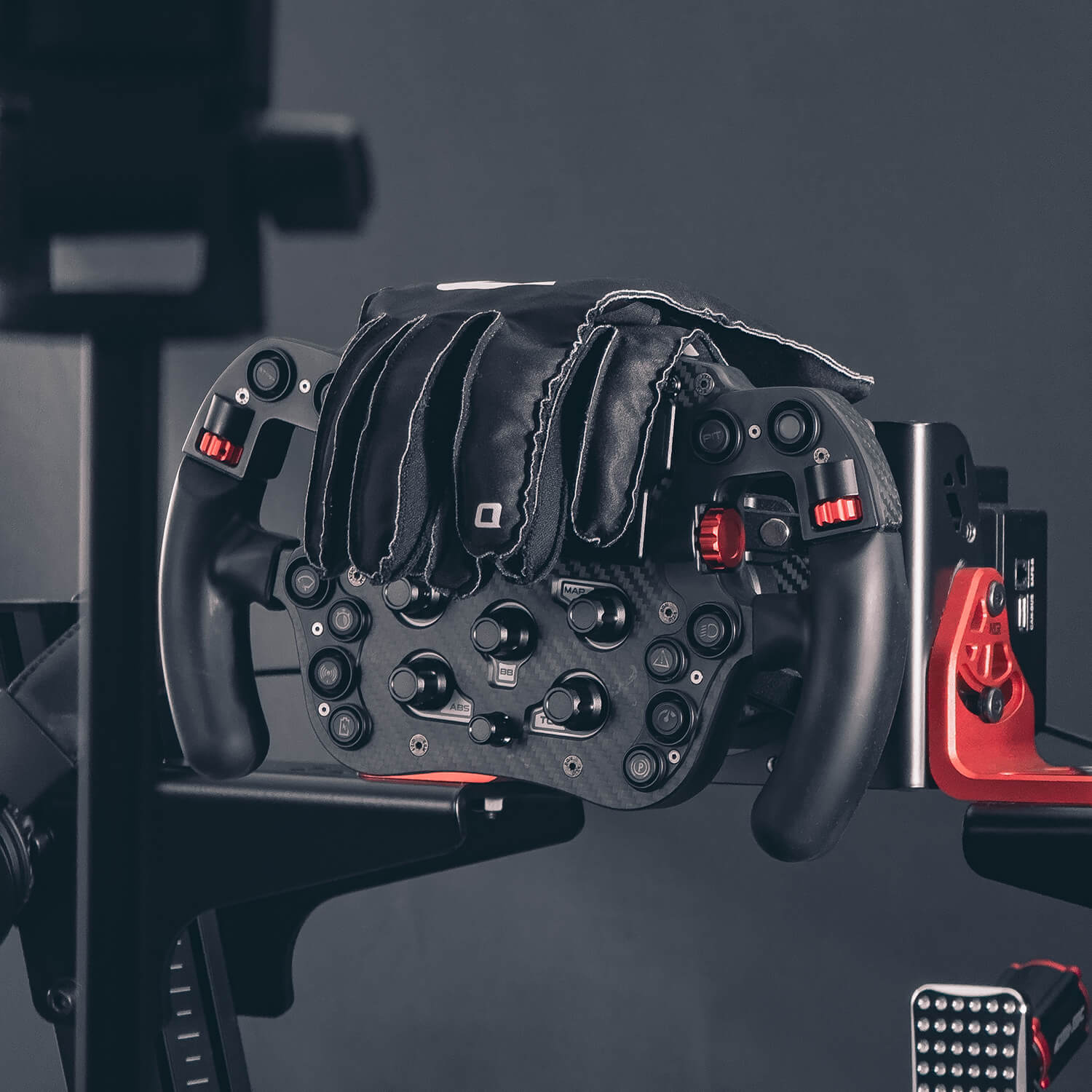
- The Wheel Rim: A Formula style wheel is great for open wheel racing, but a Round or D-Shaped rim is more versatile for drifting and GT racing.
Pro Tip: Do not max out your wheelbase torque settings in the software. Running a 10Nm base at 100 percent strength often leads to clipping, where the fine details of the road are lost. Set your base to its maximum and lower the in-game gain to around 70 percent for the cleanest feedback.
The Most Important Upgrade: Pedals
If you want to be faster, buy better pedals before you buy a better wheel. Look for Load Cell pedals. Unlike cheap plastic pedals that measure how far you push them, load cell pedals measure the pressure you apply, allowing your brain to develop muscle memory for braking.
- Top Choices: Heusinkveld, Simagic P1000, and Fanatec V2s are the gold standards.
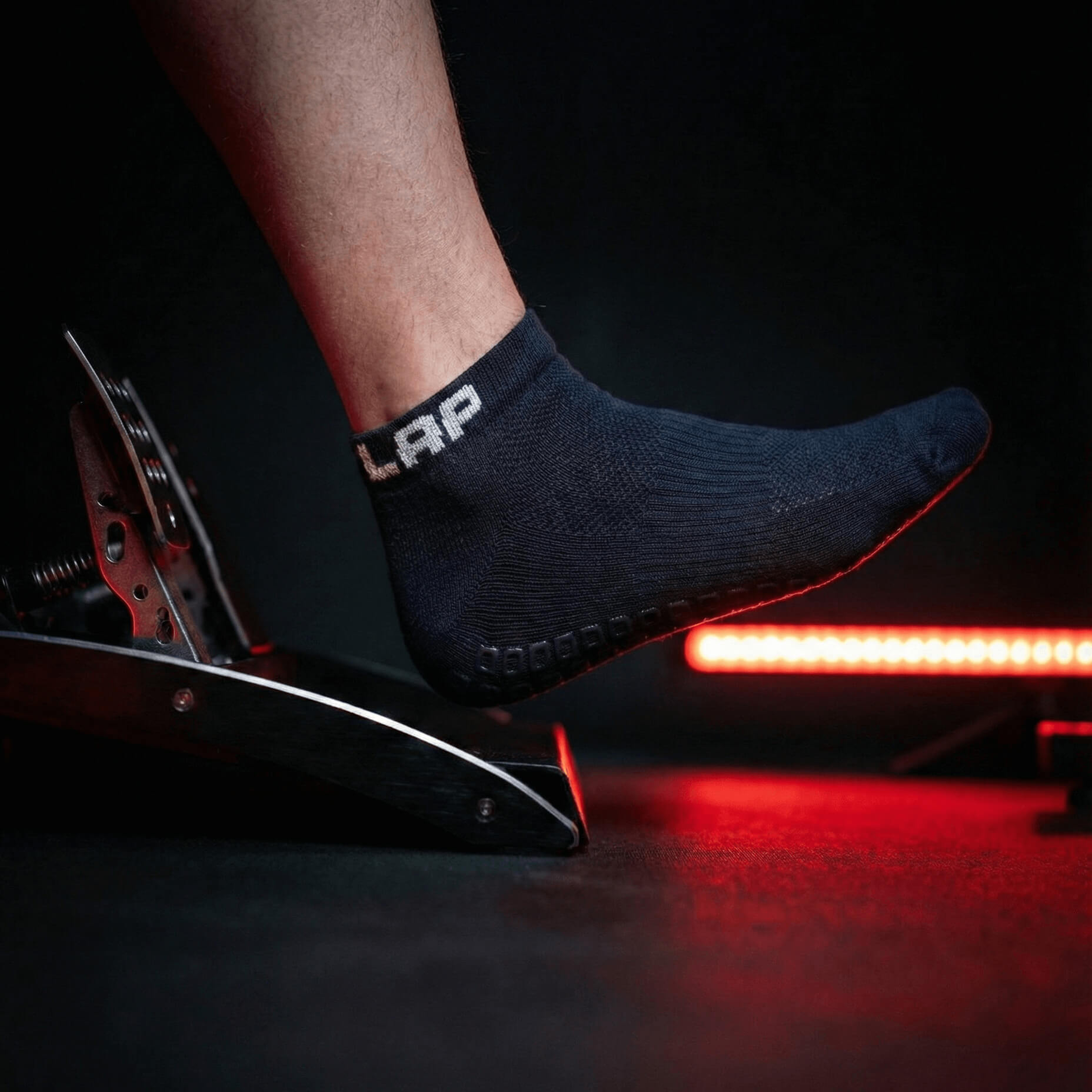
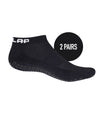
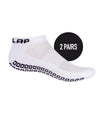
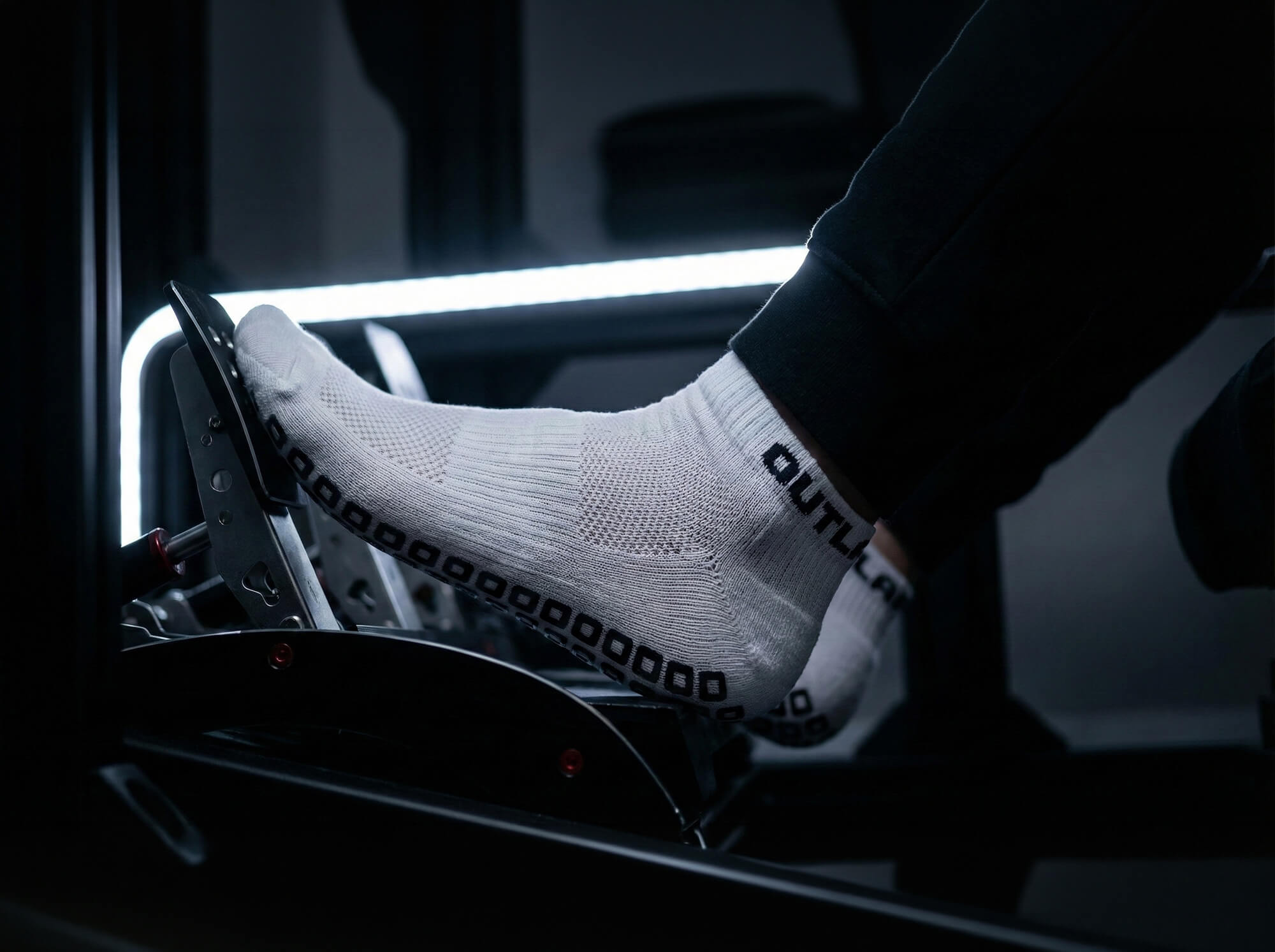
Pro Tip: When using high end load cell pedals, the interface between your foot and the pedal face is critical. Avoid racing in bare feet or thick sneakers. Use specialized sim racing socks to maintain a thin, high grip barrier that lets you feel the exact moment the ABS pulses or the tires lock up.
The Rig: Chassis and Profile Types
You need a place to bolt all this gear down to prevent flex.
- Wheel Stands: Best for those with limited space. Brands like Next Level Racing offer sturdy stands that can be tucked away.
- Aluminum Profile (8020): This is the endgame for most racers. These rigs, made by companies like Advanced SimRacing, Sim-Lab, and Trak Racer, use industrial aluminum slots that allow you to bolt anything anywhere.
Pro Tip: If you choose an aluminum profile rig, buy a handful of extra T-nuts and bolts. You will inevitably want to add a cup holder, a phone mount, or a button box later, and having the hardware on hand saves you a week of waiting for shipping.
The Seat: Comfort Meets Realism
Do not use a rolling office chair if you have load cell pedals. You will just push yourself away from the rig every time you hit the brakes.
- Recliner Seats: Great for long endurance sessions and GT style comfort.
- Fiberglass Buckets: These offer maximum immersion and zero flex. Sparco and OMP are popular real world brands used in sim racing.
Pro Tip: Mount your seat with a slight backward tilt. This supports your thighs and takes the pressure off your lower back, which is essential for preventing "sim racer's back" during long league races.
Visuals: Single, Triples, or VR?
- Single Monitor: Simple and effective. If going this route, get a 34-inch or 49-inch Ultrawide to maximize your field of view.
- Triple Monitors: The gold standard for many pros. It gives you 180 degrees of vision so you can see cars next to you.
- Virtual Reality (VR): Unmatched immersion. Headsets like the Pimax Crystal or Meta Quest 3 allow you to look into the apex naturally.
Pro Tip: Regardless of your screen choice, use a FOV (Field of View) calculator online. Setting your in game FOV correctly based on your distance from the screen is the fastest way to improve your sense of speed and braking distance.
Experience Accessories: Haptics and Button Boxes
Once the basics are set, these items take you from playing a game to driving a car.
- Haptic Kickers: Products like the Buttkicker Gamer Pro or the Simagic Haptic Pedal Reactors allow you to feel engine vibrations and ABS pulses.
- Button Boxes: Instead of fumbling for a keyboard, a dedicated button box from Apex Sim Racing or BoxOne puts your pit settings right at your fingertips.
Pro Tip: Start with pedal haptics before buying a seat shaker. Feeling the traction control and ABS through your feet provides actual data that helps you drive faster, whereas a seat shaker is mostly for "immersion" and fun.
The Bottom Line
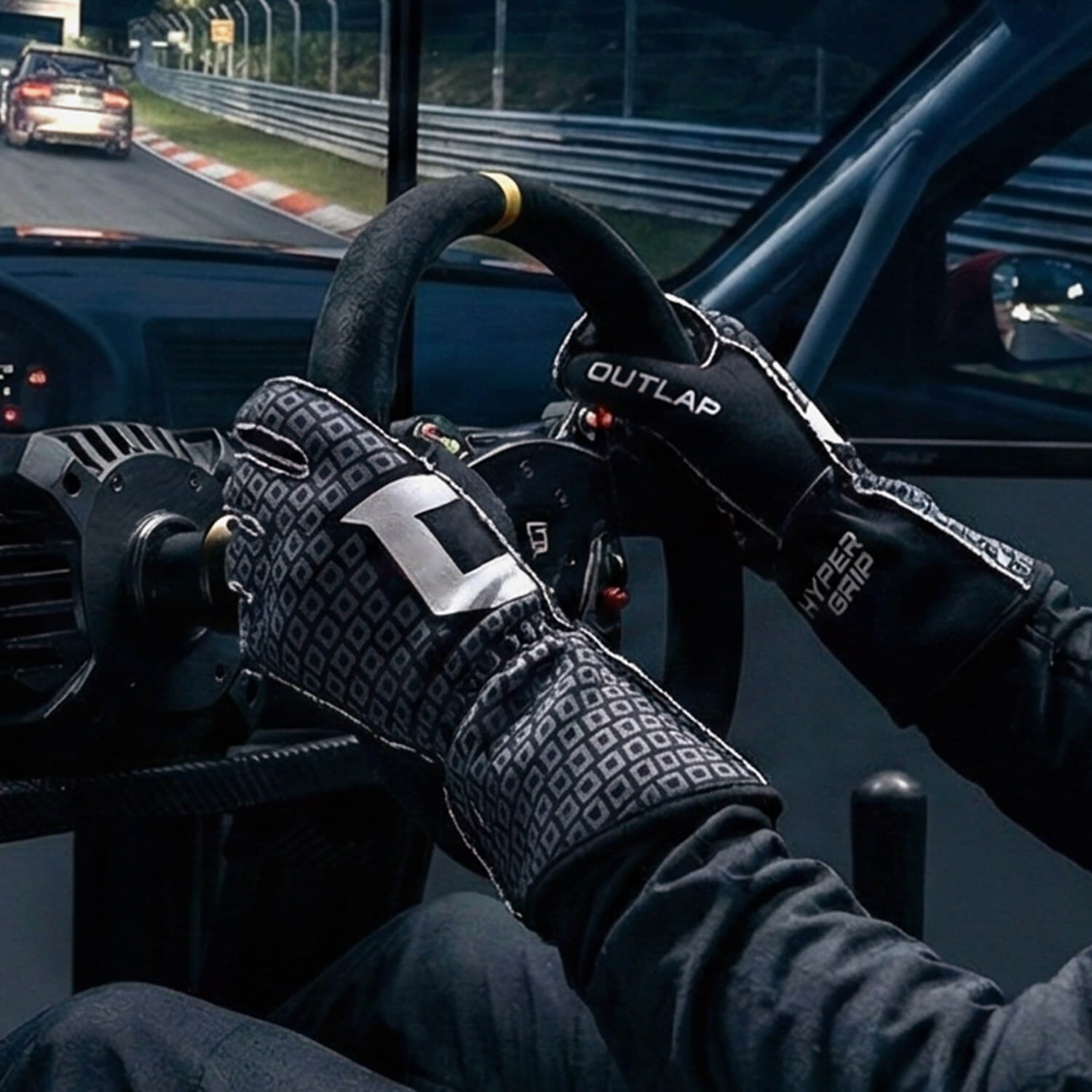
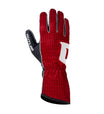
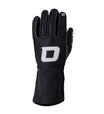
A great rig is built over time. Start with a solid DD wheelbase and a sturdy place to sit. Prioritize the gear that touches your body, like your pedals, gloves, and socks, as these provide the most immediate improvement to your consistency.

Leave a comment
This site is protected by hCaptcha and the hCaptcha Privacy Policy and Terms of Service apply.